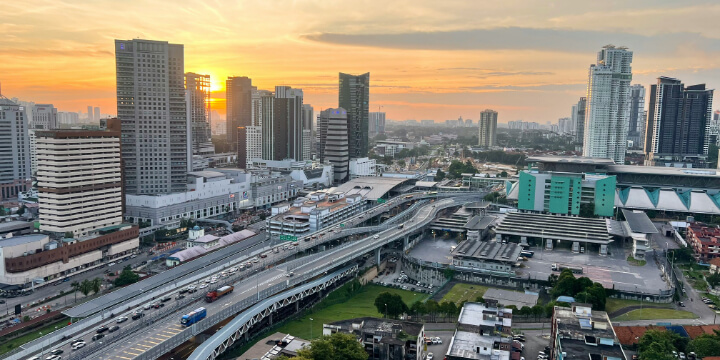
Sustainability and Environmental Considerations
Road construction and maintenance have ecological impacts, from the dust generated during cutting to the disposal of construction rubble. While road cutters don’t solve all environmental issues, they do contribute to sustainable construction practices in several ways:
- Targeted Intervention:By allowing for precise, localized cuts, road cutters reduce the need to remove large, otherwise unaffected sections of pavement.
- Dust and Slurry Management:Many modern road cutters come with water spray systems to minimize airborne particles, essential in reducing respiratory hazards and environmental pollution.
- Reduced Noise:Newer models, especially electric ones, help lessen noise pollution in residential or sensitive areas.
In the broader context of Malaysia’s sustainable development goals, adopting more efficient and eco-friendly construction equipment aligns with the nation’s mission to balance growth with environmental preservation.

Overcoming Challenges
The adoption of road cutters isn’t without obstacles:
- Cost Barriers:High-quality cutters, especially those with advanced features, can be expensive. Some smaller contractors may hesitate to invest without guaranteed return.
- Skill Gap:A shortage of skilled operators can hamper effective use of the equipment, sometimes leading to costly mistakes or machine damage.
- Maintenance:Road cutters need consistent upkeep. Improperly maintained machines can break down mid-project, causing delays and extra costs.
- Local Variances:From the busy streets of Kuala Lumpur to the rural roads of East Malaysia, conditions vary. Matching the right type of cutter (in terms of fuel type, size, blade) to the project’s location is crucial.
Nonetheless, these challenges can be addressed through government incentives, training programs, rental services, and robust after-sales support from local suppliers.

Road Cutters in the Broader Construction Ecosystem
While road cutters are specialized machines, they fit into a broader ecosystem of construction and maintenance tools. Complementary machinery includes:
- Compactors or Rollers:Used to flatten and solidify newly laid asphalt or patch materials.
- Excavators:For digging trenches once the asphalt or concrete is cut.
- Hot Mix Asphalt Machines:For filling and sealing areas after the cutting process
By understanding how road cutters integrate with other tools, project managers can sequence tasks efficiently. For instance, a team might first mark the cutting area, use the road cutter, remove debris with an excavator, and finally compress the repaired surface with a roller.
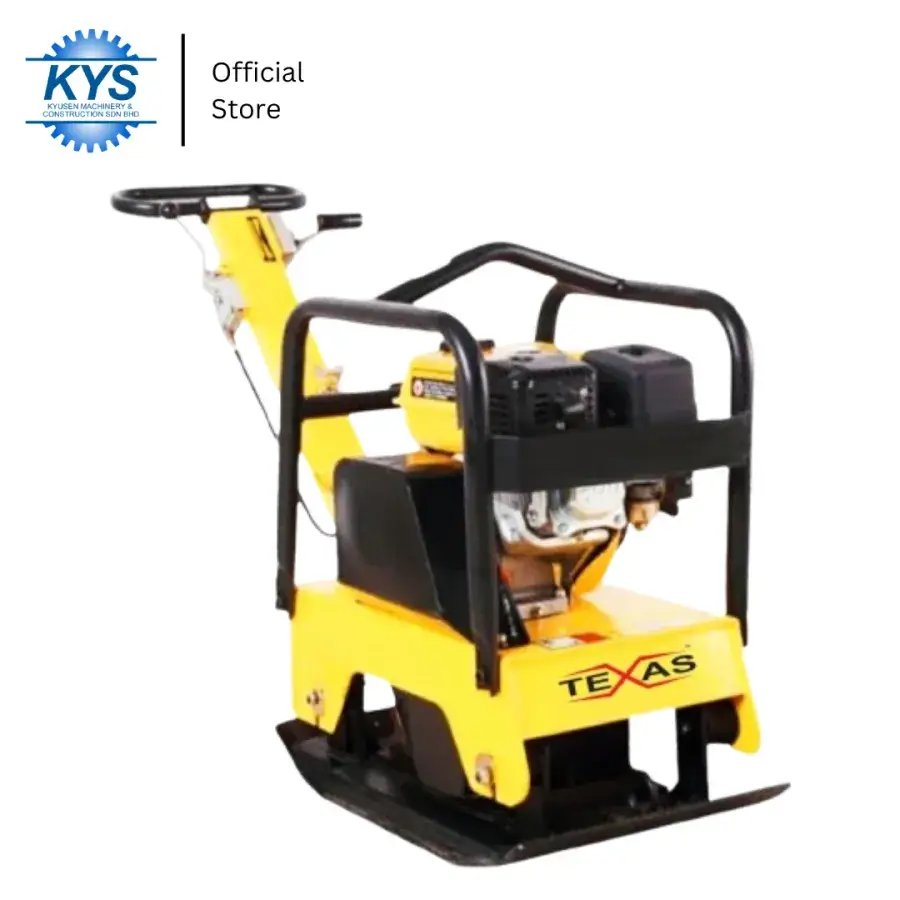
Road Cutter, Photo by Kyusen
The Influence of Government Projects
In Malaysia, the public sector is a major client for construction. Projects such as the Pan Borneo Highway, the East Coast Rail Link (ECRL), and various local council road upgrades rely on specialized machinery. Road cutters, being crucial in multiple stages (from initial trenching for drainage to final touches in road surfacing), gain importance in these large-scale projects. Government tenders often specify certain machine standards or brand preferences to ensure quality and durability.
Additionally, state governments might offer incentives or financing options for contractors to purchase the right machinery. This can boost the adoption of road cutters, particularly advanced models that meet safety and environmental guidelines.